

Skin tag removal consultation in Business Bay
Skin tag removal in Dubai, assessment first
If a small skin growth is rubbing, catching, changing, or simply worrying you, begin with a clinician-led assessment before any removal route is discussed.
- Business BayDubai clinic
- Consultation-led carePersonal planning and clear next steps
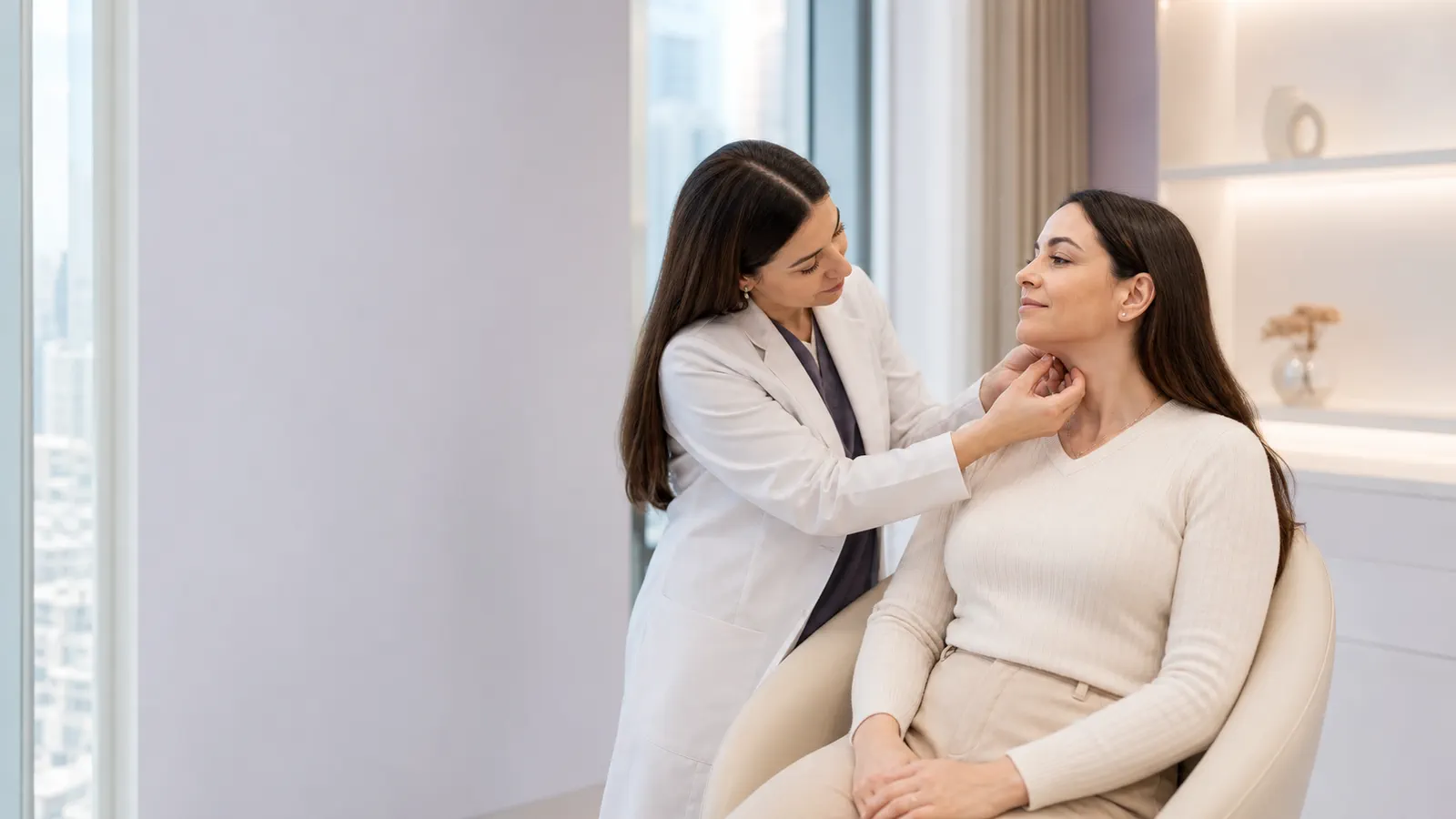
Four details to share before discussing skin tag removal
The conversation separates what you have noticed, where it is, whether it has changed, and the health or treatment context that may affect the next step.
Swipe through the decision pointsWhat you have noticed
Share whether the growth catches on clothing or jewellery, is irritated, bothersome, or has changed.
Exact location
Neck, eyelid, underarm, groin, and other areas can need different assessment and care.
Change or uncertainty
A new, painful, bleeding, rapidly changing, or uncertain skin growth should not be self-diagnosed online.
Your context
Medicines, allergies, pregnancy or breastfeeding, diabetes, previous scars, and recent skin treatment can affect planning.
At a glance
Start by confirming the skin concern
Skin tags often occur in areas where skin, clothing, jewellery, or shaving can cause friction. A photograph cannot confirm what a growth is, so the clinician first checks the area, symptoms, history, and the safest next step.
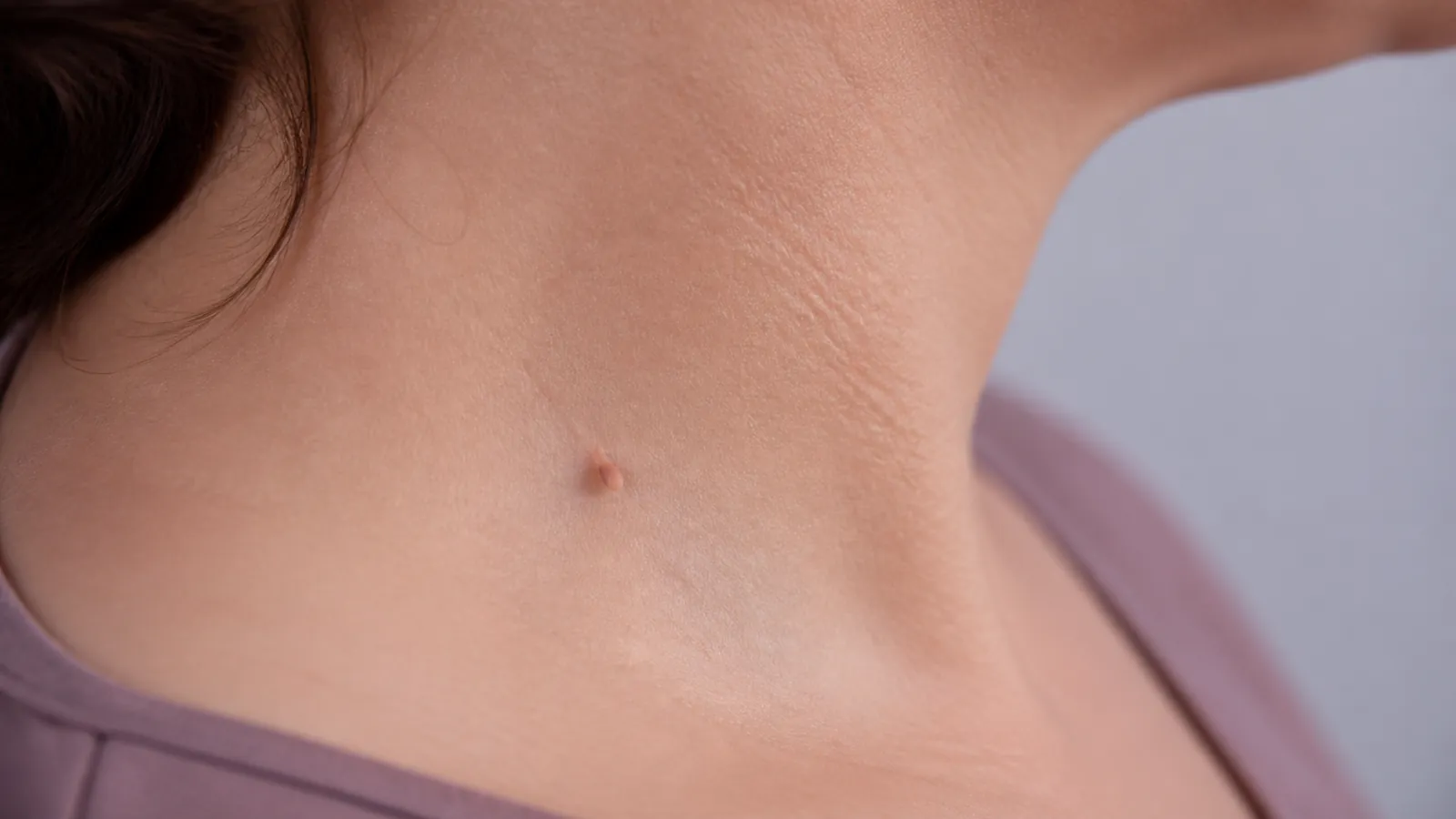
The role of a consultation is to identify the concern and discuss whether removal, medical review, referral, or no procedure is the appropriate next step.
Assessment required
The clinician first confirms the nature of the skin concern and whether treatment or another medical route is appropriate.
Common friction areas
Small growths are often noticed where skin, clothing, jewellery, or shaving creates repeated friction.
Method is individual
The suitable route is chosen only after the area and your history have been reviewed.
Do not self-treat
Home-removal products and cutting a growth yourself can cause injury, scarring, infection, or delay assessment.
Aftercare is specific
Any care plan depends on the assessed growth, its location, and the treatment route agreed with your clinician.
The image is an illustrative educational visual, not a diagnosis. A change in a skin growth, unexplained bleeding, pain, or uncertainty needs individual medical assessment.
Choosing the right approach
When a skin tag removal discussion may help—and when assessment comes first
A consultation can help with a small growth that is catching, irritating, affecting comfort, or causing a cosmetic concern. It also helps separate a likely skin tag from a growth that needs another medical route.
Often discussed for
- A small growth that catches on clothing, jewellery, or when shaving.
- A cosmetic or comfort concern that you would like a clinician to assess.
- A person who wants to understand the appropriate route and aftercare before deciding.
May need another approach
- A self-diagnosis by photograph or an attempt to cut, freeze, or dissolve a growth at home.
- A growth that is rapidly changing, painful, bleeding, infected-looking, or otherwise concerning without a clinical assessment.
- A request for a guaranteed scar-free result, fixed method, or same-day outcome before the area has been assessed.
Need a tailored answer?
Begin with the skin change you have noticed
Tell the clinic where the growth is, whether it is changing or irritated, and any previous skin treatment. The coordinator can arrange the right starting point.
Your consultation journey
From skin assessment to individual aftercare
The visit begins by identifying the concern and deciding whether an appropriate removal route, another medical assessment, referral, or no treatment is needed.

Clear next steps 01Discuss the skin concern
We review the area, what you have noticed, relevant history, medicines, allergies, previous scars, and any prior treatment.
- 02
Confirm the appropriate route
The clinician explains whether a removal discussion, further assessment, different timing, referral, or no procedure is appropriate.
- 03
Receive individual next-step guidance
If a procedure is suitable and you choose to proceed, the team explains the agreed plan, aftercare, and when to contact the clinic.
Suitability & safety
Skin-growth decisions should be assessment-led
Share if the growth is new, changing, painful, bleeding, irritated, near the eye or another sensitive area, or if you have active skin changes, medicines, allergies, pregnancy or breastfeeding, diabetes, a history of raised scars, or relevant medical conditions.
- The clinician may recommend further assessment, different timing, referral, or no procedure when the appearance, symptoms, location, or health context requires another route.
- The proposed plan, expected temporary effects, healing considerations, limitations, and aftercare are discussed before you decide.
- Do not cut, tie off, freeze, or use an online removal product on an undiagnosed skin growth.
Urgent: Seek prompt medical advice for a skin growth that is rapidly changing, bleeding without a clear cause, very painful, ulcerated, infected-looking, or causing any symptom that concerns you. Do not wait for a cosmetic consultation to assess an urgent concern.
This page provides general information and does not replace an individual medical consultation.
The first step is to assess the growth rather than assume every small growth is a skin tag.
02Choose the route carefullyLocation, symptoms, health context, and clinical findings determine whether a procedure is appropriate.
03Know the next stepYou receive individual guidance on aftercare, follow-up, referral, or when to seek further medical advice.
Care at Mahan
A skin-concern discussion with the right starting point
Owner-verified clinic team. The clinic team starts with your skin, health context, treatment history, and expectations before discussing an appropriate plan.
Meet the Mahan clinic
Co-Founder

Co-Founder and General Manager
Questions, answered
Skin tag removal FAQs
Useful general information first; a clinician can then make it specific to you and the treatment route being discussed.
What is a skin tag?
A skin tag is a common, small skin growth that may be noticed where skin rubs against skin, clothing, or jewellery. A clinician should assess an individual growth because appearance alone cannot confirm what it is.
Can I remove a skin tag at home?
No. Do not cut, freeze, tie off, or use an online removal product on a skin growth yourself. These approaches can injure skin, scar, become infected, or delay the assessment of a different condition.
Which skin-tag removal method does Mahan use?
The clinic confirms whether a procedure is appropriate only after examining the growth and discussing its location, symptoms, health context, and your preferences. A method is not selected from an online description.
Will skin tag removal leave a scar?
Any skin procedure can involve healing changes or a scar, and the likelihood depends on the assessed growth, location, skin, treatment route, and individual healing. The clinician explains what is relevant before you decide.
How do I arrange an assessment?
Use the enquiry form, call the clinic, or message us on WhatsApp. Include the area you would like assessed and whether you have noticed a recent change or irritation.
Clinical information sources
Evidence behind this skin tag removal guide
General treatment information was checked against clinical, regulatory, product, or evidence-review material. Your clinician confirms what applies to your individual plan.
Speak with the clinic
Start with a skin tag removal consultation
Tell us where the skin tag is and what has changed or become uncomfortable. An enquiry does not confirm an assessment or procedure.
Message us on WhatsApp