

Mole removal consultation in Business Bay
Mole removal in Dubai, assessment before removal
Whether a mole is rubbing, changing, or a cosmetic concern, the safe first step is a clinician-led assessment—not an online removal method or an automatic cosmetic procedure.
- Business BayDubai clinic
- Consultation-led carePersonal planning and clear next steps
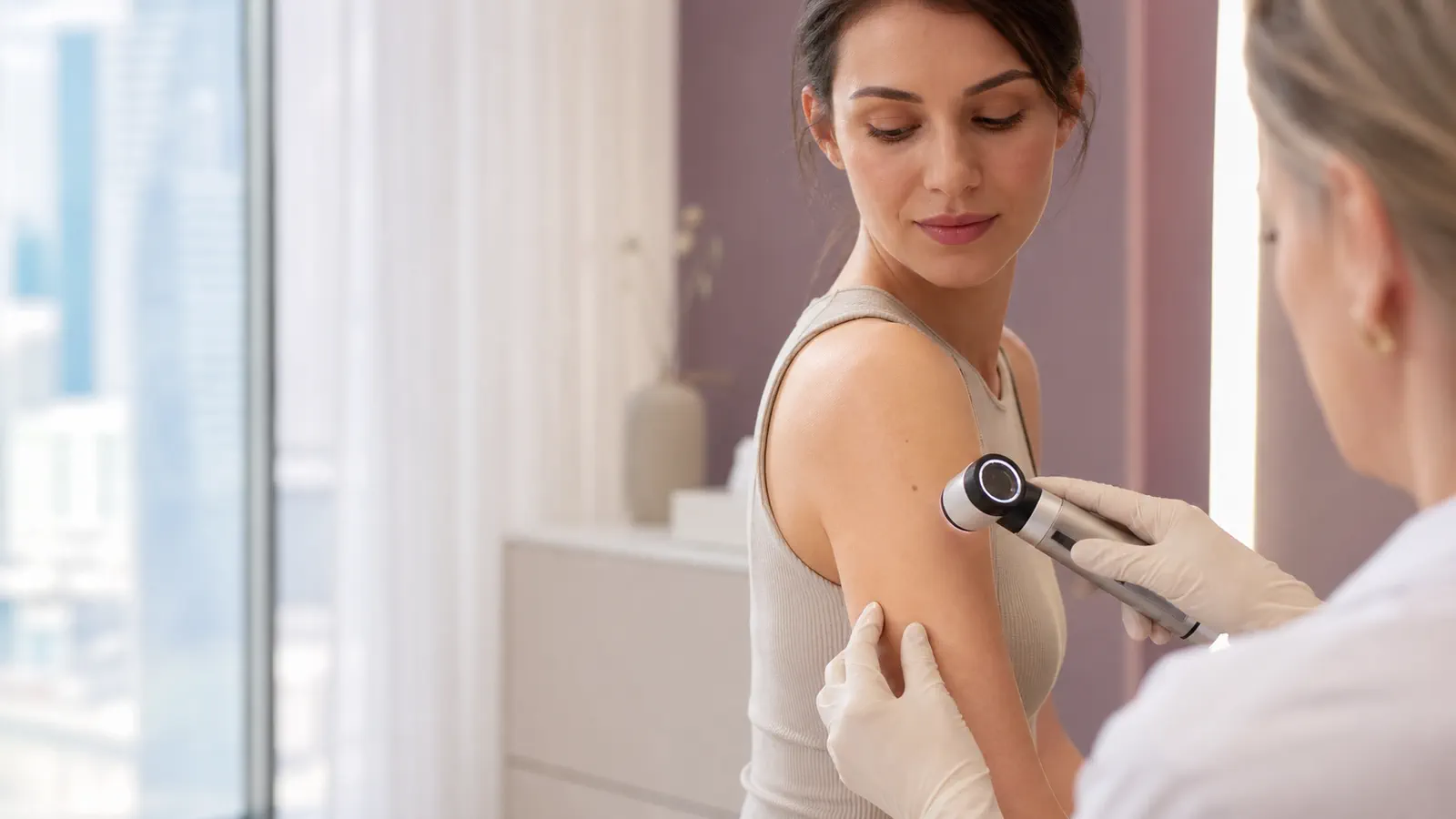
Four details before a mole-removal decision
The discussion separates the reason for enquiry, any change you have noticed, the clinical examination, and the appropriate next step before removal is considered.
Swipe through the decision pointsWhy you are enquiring
A mole can be a cosmetic concern, rub on clothing or jewellery, catch when shaving, or need assessment because it has changed.
What has changed
New appearance, growth, colour or border change, itching, bleeding, or a mole that looks different from others should be shared.
Clinical decision
The clinician determines whether monitoring, a procedure discussion, further medical assessment, referral, or another route is appropriate.
Healing and follow-up
The plan must account for the area, skin, possible scarring, your medical history, and any follow-up that is clinically appropriate.
At a glance
A cosmetic question can still need a medical assessment
Most moles are harmless, but a new, changing, itching, bleeding, or unusual mole needs assessment. The ABCDE guide is useful awareness information; it is not a diagnosis and should not replace an individual examination.
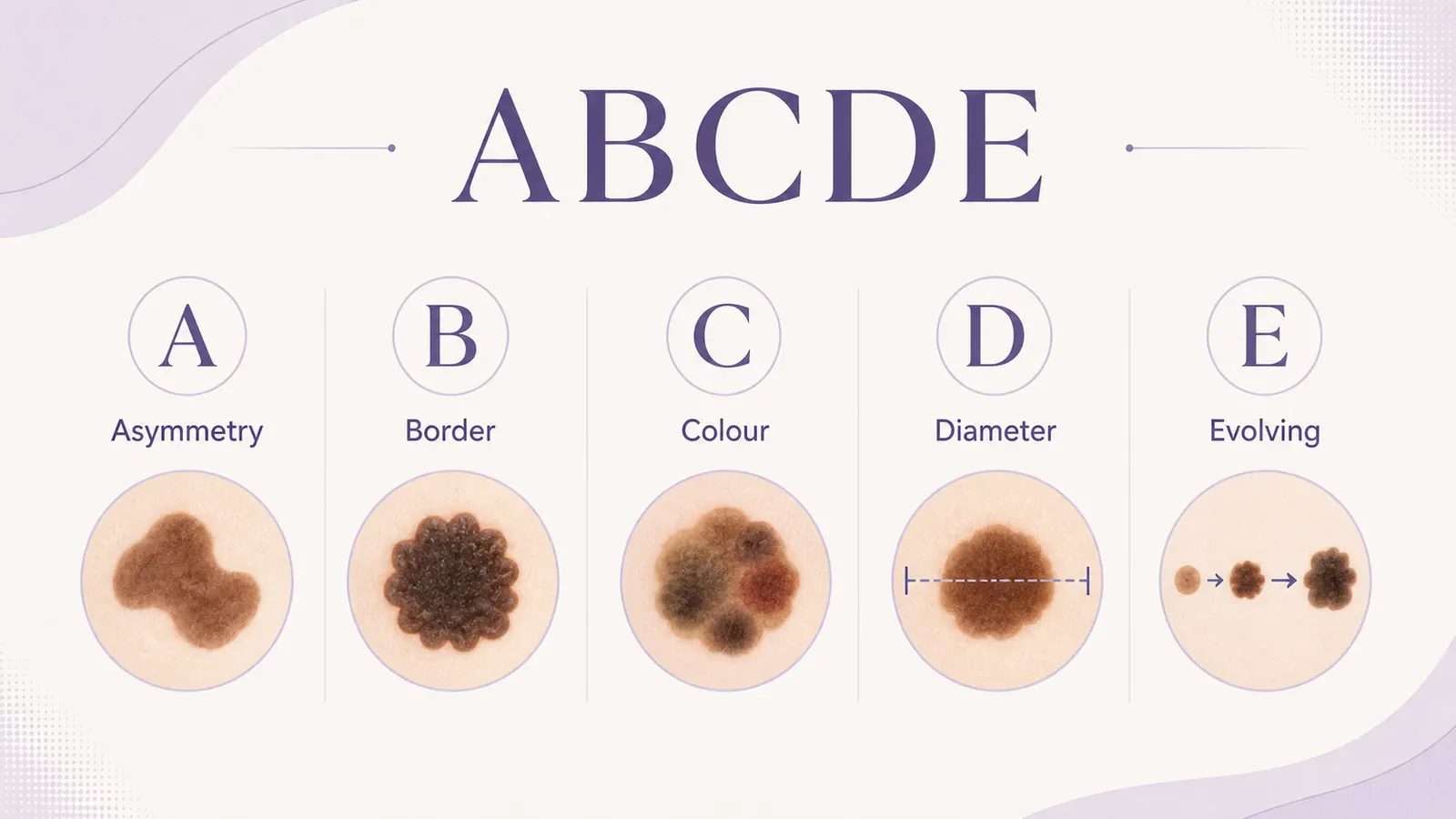
If you notice a mole that is new, changing, itching, bleeding, or different from the others, arrange an appropriate medical assessment rather than attempting cosmetic removal.
Assessment first
A clinician examines the individual mole and its history before any cosmetic or removal decision is discussed.
Change matters
A new, changing, itching, or bleeding mole—or one that looks different from the others—needs prompt medical assessment.
ABCDE is awareness
Asymmetry, border, colour, diameter, and evolving changes can help you notice a concern; they do not diagnose it.
Route is individual
The appropriate next step may be monitoring, a tailored procedure discussion, further assessment, referral, or no removal.
Healing varies
The location, skin, clinical route, and individual healing response influence aftercare and the possibility of visible scarring.
This original educational graphic is for awareness only. A clinician decides what an individual mole may need after examining it and reviewing the relevant history.
Choosing the right approach
When a mole assessment can help—and when not to wait
A consultation can begin a cosmetic or comfort discussion, but a mole with a concerning change should be assessed promptly so the clinician can recommend the appropriate medical next step.
Often discussed for
- A mole that rubs on clothing or jewellery, catches while shaving, or causes a cosmetic concern.
- A request to understand the appropriate clinical route before considering removal.
- A person ready to share changes, prior removals, family or personal history, medicines, allergies, and scar history.
May need another approach
- Removing or treating a mole yourself with an online product, blade, acid, or home remedy.
- Waiting on a mole that is new, rapidly changing, itching, bleeding, ulcerated, painful, or clearly different from other spots.
- A request for a guaranteed invisible scar, one fixed method, or a cosmetic-only decision without clinical assessment.
Need a tailored answer?
Start with the mole and the change you have noticed
Tell the clinic where the mole is, whether it has changed or is causing symptoms, and what you would like assessed. The right next step is confirmed in a consultation.
Your consultation journey
From mole assessment to the appropriate next step
The consultation is designed to identify what you are concerned about and decide whether a cosmetic discussion, medical review, monitoring, referral, or another pathway is appropriate.
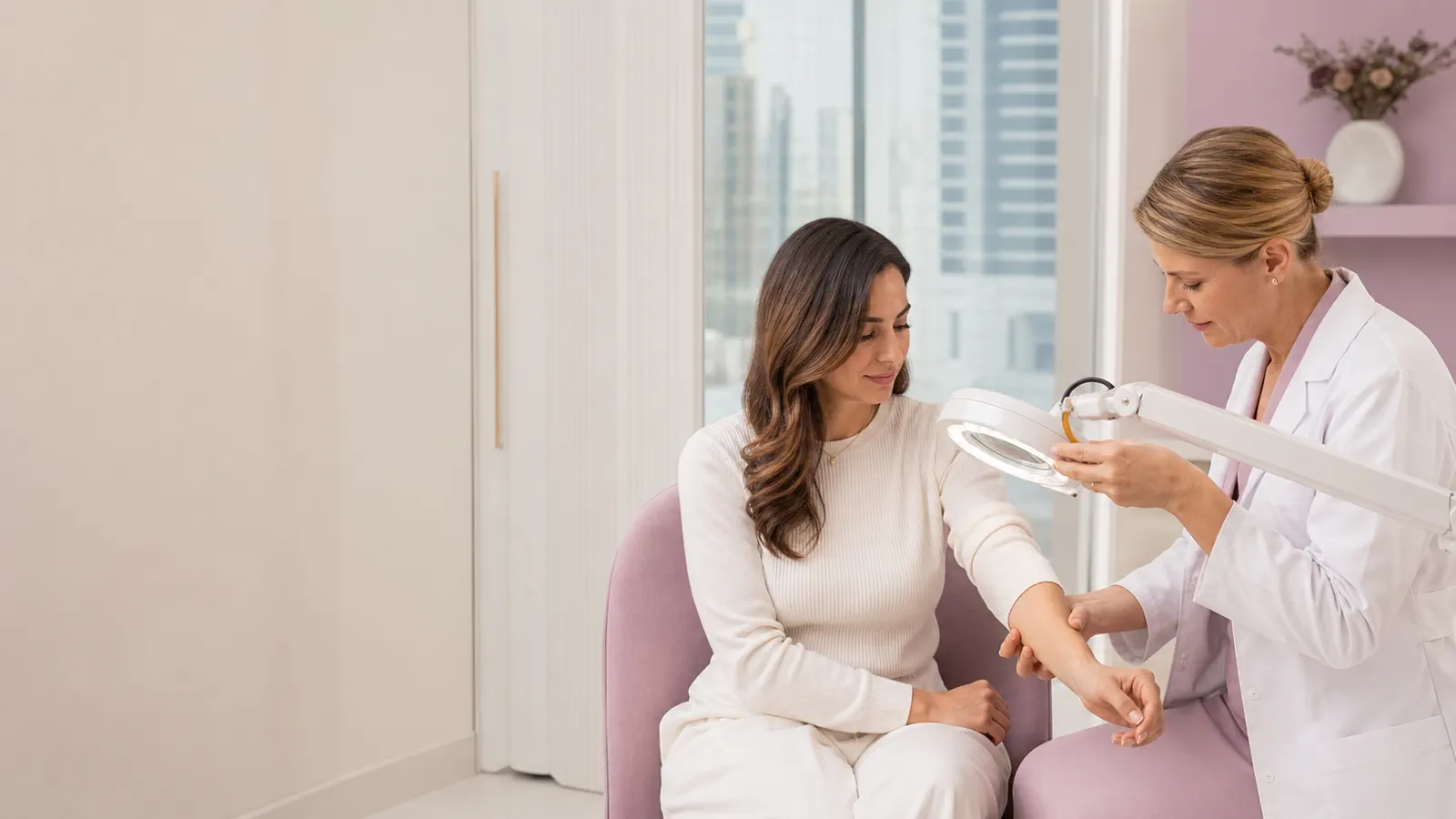
Clinical assessment 01Review the mole and your history
We discuss the area, changes, symptoms, previous skin procedures, medicines, allergies, personal or family history, and scar concerns.
- 02
Explain the clinical route
The clinician explains the appropriate next step, which may include monitoring, a procedure discussion, further assessment, referral, or no removal.
- 03
Plan follow-up and aftercare
If a procedure is appropriate and you choose to proceed, the clinic explains the agreed plan, healing considerations, aftercare, and when to seek further advice.
Suitability & safety
A mole should not be treated as a generic cosmetic mark
Share whether a mole is new, growing, changing in colour or border, itching, bleeding, painful, ulcerated, irritated, or different from the others. Also share skin-cancer history, previous removals, medicines, allergies, pregnancy or breastfeeding status, immune conditions, and raised-scar history.
- The clinician may recommend further medical assessment, monitoring, referral, different timing, or no cosmetic procedure when the mole or your health context needs another route.
- Any planned procedure includes a discussion of the area, possible healing changes, scarring considerations, aftercare, and appropriate follow-up before you decide.
- Do not shave, burn, dissolve, freeze, or otherwise attempt to remove a mole at home.
Urgent: Arrange prompt medical advice for a mole that is new or changing, bleeds, itches, becomes painful, ulcerates, or looks different from the others. Seek urgent care for severe bleeding, signs of infection, or any symptom that concerns you.
This page provides general information and does not replace an individual medical consultation.
New, changing, itchy, bleeding, painful, or unusual-looking moles should be assessed rather than treated from an online description.
02Decide clinicallyThe appropriate route may be monitoring, a procedure discussion, a medical assessment, referral, or no removal.
03Protect the diagnosisAvoid home removal or cosmetic treatment that could injure skin or delay the assessment of a concerning lesion.
Care at Mahan
A mole-removal discussion that keeps assessment first
Owner-verified clinic team. The clinic team starts with your skin, health context, treatment history, and expectations before discussing an appropriate plan.
Meet the Mahan clinic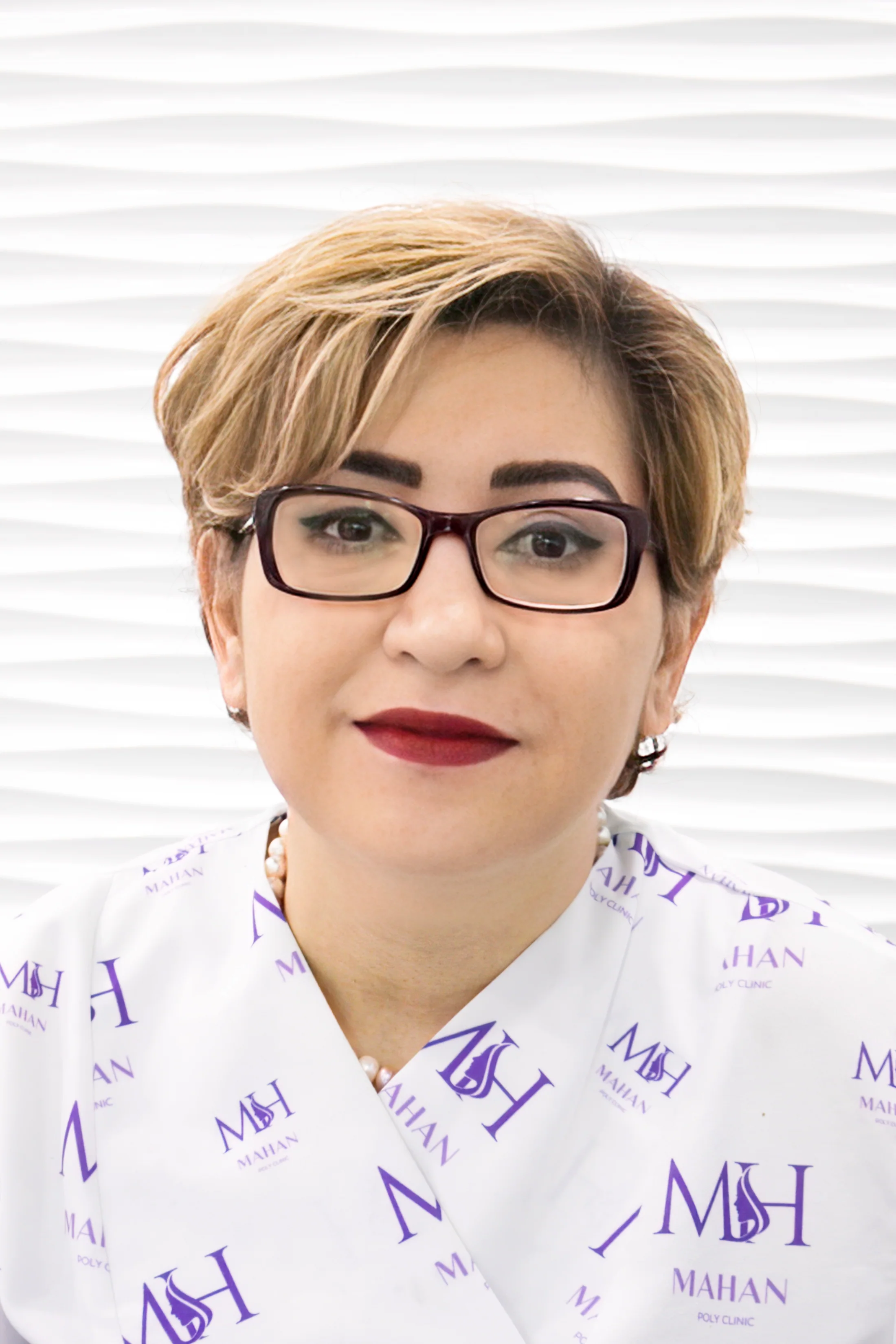
Co-Founder
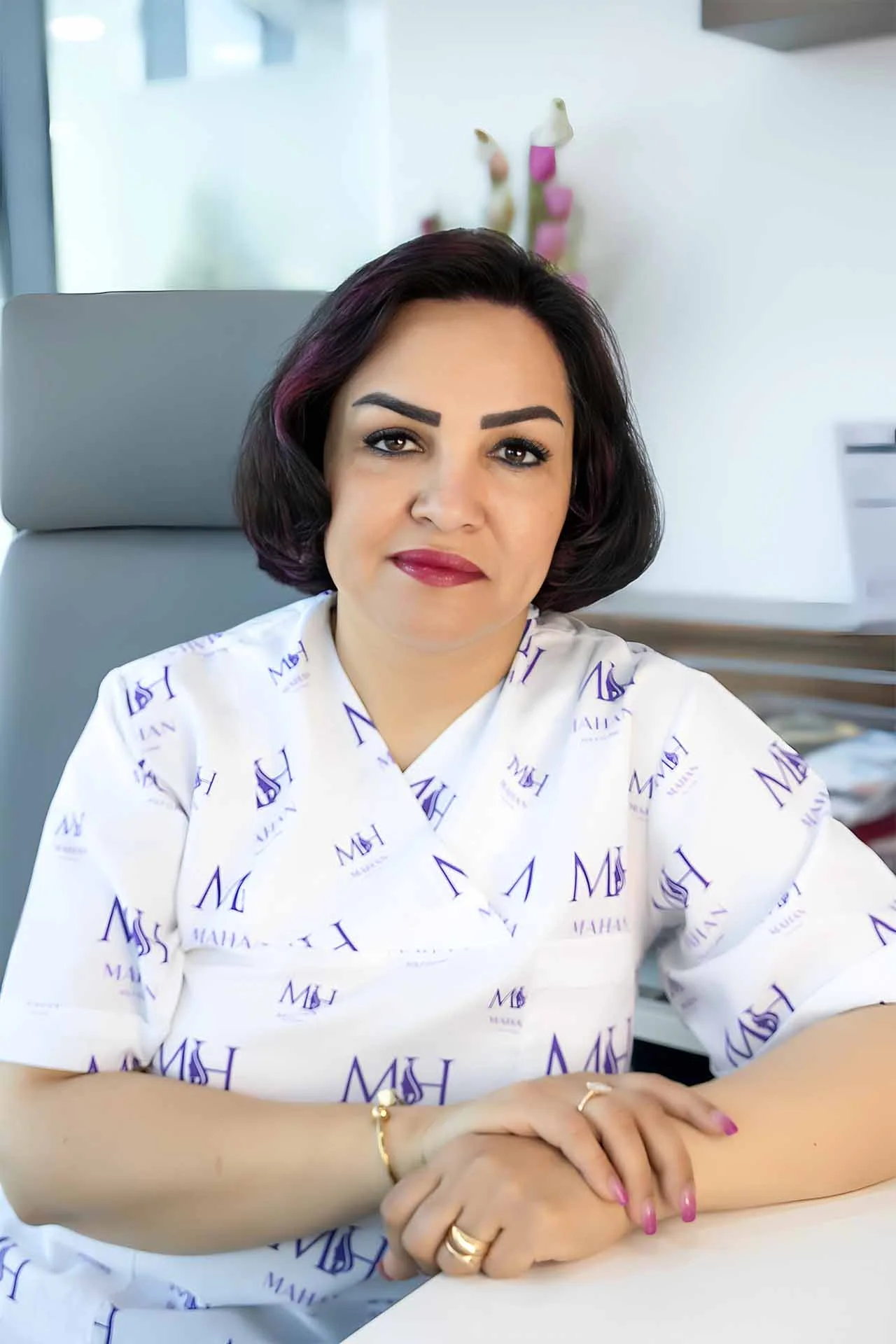
Co-Founder and General Manager
Questions, answered
Mole removal FAQs
Useful general information first; a clinician can then make it specific to you and the treatment route being discussed.
Can any mole be removed cosmetically?
No. The clinician first assesses the mole and its history. The appropriate route may be monitoring, medical assessment, referral, a tailored procedure discussion, or no removal.
What does the ABCDE guide mean?
ABCDE refers to asymmetry, border, colour, diameter, and evolving changes. It is a public-awareness guide that can help you notice a change, but it cannot diagnose a mole or decide whether removal is appropriate.
What if my mole is new, changing, itchy, or bleeding?
Do not treat it as a cosmetic issue or try to remove it at home. Arrange prompt medical assessment and tell the clinic exactly what has changed.
Will mole removal leave a scar?
Any procedure can leave a visible healing change or scar. The clinician explains what may be relevant to your mole, its location, the clinical route, your skin, and individual healing before you decide.
How do I arrange a mole assessment?
Use the enquiry form, call the clinic, or message us on WhatsApp. Include the mole location and any new or changing features so the clinic can guide the appropriate next step.
Clinical information sources
Evidence behind this mole removal guide
General treatment information was checked against clinical, regulatory, product, or evidence-review material. Your clinician confirms what applies to your individual plan.
Speak with the clinic
Start with a mole removal consultation
Tell us where the mole is and what you have noticed. An enquiry does not confirm an assessment, diagnosis or removal.
Message us on WhatsApp