

Chronic-migraine assessment in Business Bay
Migraine Botox in Dubai, medically assessed
Botulinum toxin for migraine is a preventive medical treatment—not a cosmetic forehead treatment or an immediate rescue for a headache. Suitability begins with your diagnosis and headache history.
- Business BayDubai clinic
- Consultation-led carePersonal planning and clear next steps
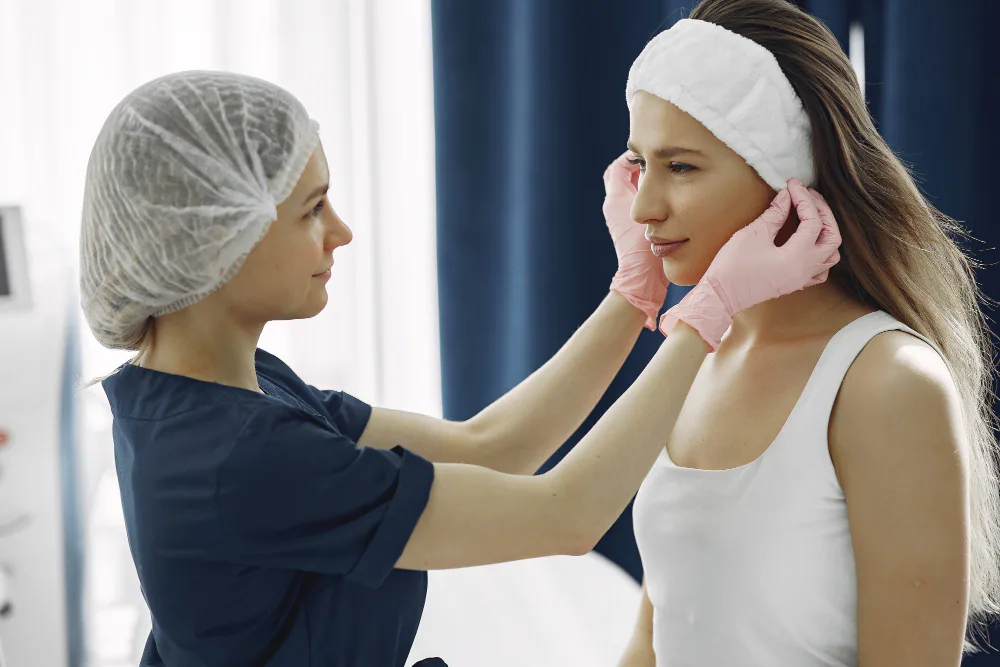
What the medical consultation needs to establish
The decision depends on the headache pattern and diagnosis—not simply the location where pain is felt.
Swipe through the assessmentHeadache pattern
Frequency, migraine features, duration, triggers, and change over time are reviewed.
Previous management
Current medicines, preventive treatments, response, side effects, and relevant referrals are discussed.
Head & neck protocol
Where suitable, treatment follows a medical pattern across selected forehead, temple, scalp, neck, and trapezius muscles.
At a glance
Migraine Botox is a preventive protocol for eligible patients
Official product guidance describes botulinum toxin for prevention of headaches in adults with chronic migraine. The consultation reviews headache frequency, migraine days, diagnosis, medicines, previous preventive care, and whether another assessment is required.
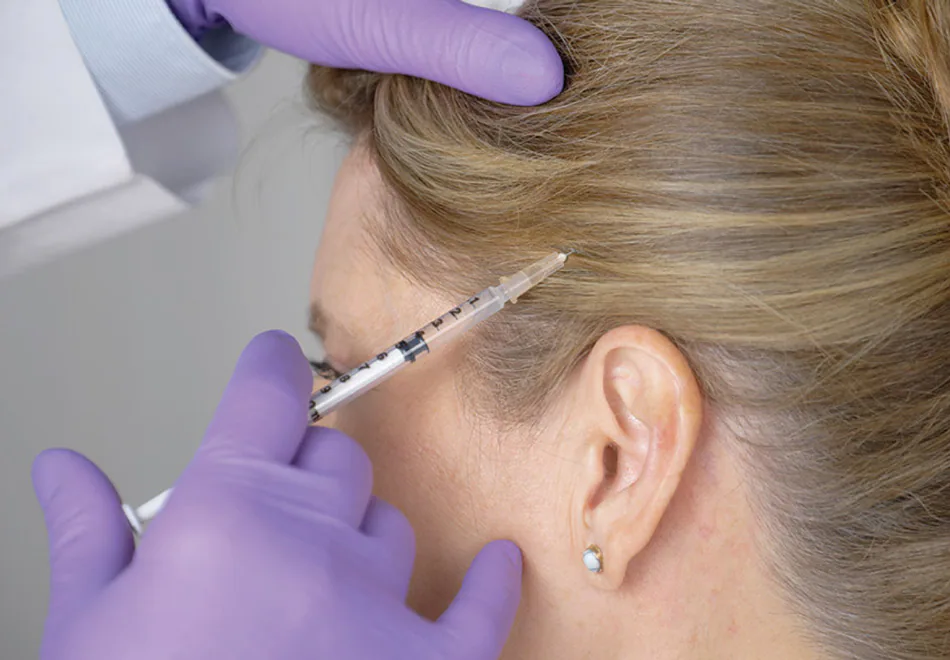
Migraine treatment uses a medical head-and-neck pattern rather than cosmetic forehead placement alone.
Medical consultation required
Diagnosis, headache frequency, symptoms, medicines, and previous management are reviewed.
Usually 30–45 minutes
Visit length includes medical review, planning, and treatment where appropriate.
Preventive—not immediate relief
Treatment is intended to reduce future chronic-migraine burden, not stop an active attack instantly.
Review is usually cyclical
Official product guidance commonly uses a 12-week retreatment schedule for chronic migraine.
Response is individual
Benefit, timing, adverse effects, and whether treatment should continue are reviewed clinically.
The chronic-migraine protocol, product, dose, and treatment interval are medical decisions. Botulinum-toxin units are not interchangeable between products.

Medical eligibility
When migraine Botox may fit—and when another headache pathway comes first
Not every recurrent headache is chronic migraine. New, changing, severe, or unexplained symptoms require appropriate medical assessment rather than an aesthetic treatment pathway.
May be discussed for
- Adults with an established or suspected chronic-migraine pattern requiring medical review
- Reviewing headache days, migraine days, and previous preventive treatment
- A preventive rather than cosmetic treatment discussion
- Patients able to attend planned follow-up and response review
Needs another or urgent assessment
- A sudden severe or “worst-ever” headache
- New neurological symptoms, fainting, fever, trauma, or a major change in headache pattern
- Immediate relief during an active migraine attack
- Starting treatment without reviewing diagnosis and medicines
Bring your headache history
Begin with frequency, symptoms, and previous treatment
A headache diary and a list of current and previous medicines can make the consultation more useful.
Your consultation journey
Assessment, preventive treatment, and review
Migraine treatment follows a medical protocol across selected head and neck muscle areas and requires planned follow-up.
- 01
Review diagnosis and headache history
The clinician considers headache and migraine-day frequency, associated symptoms, current and previous medicines, medical history, and red flags.
- 02
Explain the preventive protocol
If suitable, the clinician explains the head-and-neck muscle pattern, expected timing, limits, side effects, and follow-up cycle.
- 03
Track response over time
A headache diary can help review changes in frequency and severity and support the next clinical decision.
Suitability & safety
Important details to share with your clinician
Botulinum toxin is a prescription treatment and is not suitable for everyone. Your clinician reviews relevant health information, medicines, previous treatment, and area-specific risks.
- Discuss all headache symptoms, neurological history, swallowing or breathing problems, neuromuscular conditions, medicines, pregnancy or breastfeeding, infection, and previous botulinum-toxin treatment.
- Possible effects include injection-site pain, neck pain, muscle weakness, headache, eyelid droop, or unwanted effects in nearby muscles.
- Do not wait for a routine consultation if a headache is sudden, severe, follows injury, or occurs with weakness, confusion, fainting, fever, seizure, or new vision or speech change.
Urgent: Seek emergency medical care for a sudden severe headache or new neurological symptoms, and for difficulty swallowing, speaking, or breathing after treatment.
This page provides general information and does not replace an individual medical consultation.
Suitability, product choice, treatment areas, and limitations are discussed before you decide.
02Individual treatment planThe suitable treatment, product, and placement are selected only after an individual clinical assessment.
03Written aftercareYou receive individual aftercare guidance and clear advice about when to contact the clinic.
Care at Mahan
A clinic team that starts with context
Owner-verified clinic team. Your visit starts with suitability, expectations, and a treatment plan built around the area being assessed.
Meet the Mahan clinic
Co-Founder

Co-Founder and General Manager
Questions, answered
Migraine Botox FAQs
Useful general information first; a clinician can then make it specific to you.
Is migraine Botox the same as cosmetic Botox?
No. Chronic-migraine treatment follows a medical head-and-neck protocol and eligibility assessment. Cosmetic treatment is planned around facial expression concerns.
Who may be considered for treatment?
Official product guidance describes adults with chronic migraine, generally headaches on at least 15 days per month with migraine features on at least eight days. Your clinician must confirm diagnosis and suitability.
Does it stop a migraine immediately?
No. It is a preventive treatment intended to reduce future headache burden in suitable patients, not an emergency or rescue treatment for an attack already underway.
Where is treatment given?
The medical protocol uses selected muscles across the forehead, temples, back of the head, neck, and trapezius. Exact planning follows the approved protocol and clinical assessment.
How often is it repeated?
Official chronic-migraine guidance commonly uses a 12-week retreatment schedule. Continuation depends on clinical response, side effects, and the treating clinician’s plan.
What should I bring to consultation?
Bring your diagnosis or referral information if available, a headache diary, and a list of current and previous acute and preventive medicines.
Clinical information sources
Evidence behind this page
General information was checked against current official product and healthcare guidance. Sources accessed August 2026.
Speak with the clinic
Request a medical migraine consultation
Tell us about your diagnosis, headache frequency, previous preventive treatment, and current medicines. An enquiry does not confirm eligibility or treatment.
Message us on WhatsApp