


Dermal fillers are injectable treatments used to restore volume, soften selected lines, contour facial features, and support facial balance. Product choice, facial anatomy, treatment planning and clinician qualifications affect suitability and risk; none guarantees a safe outcome.
What are dermal fillers?
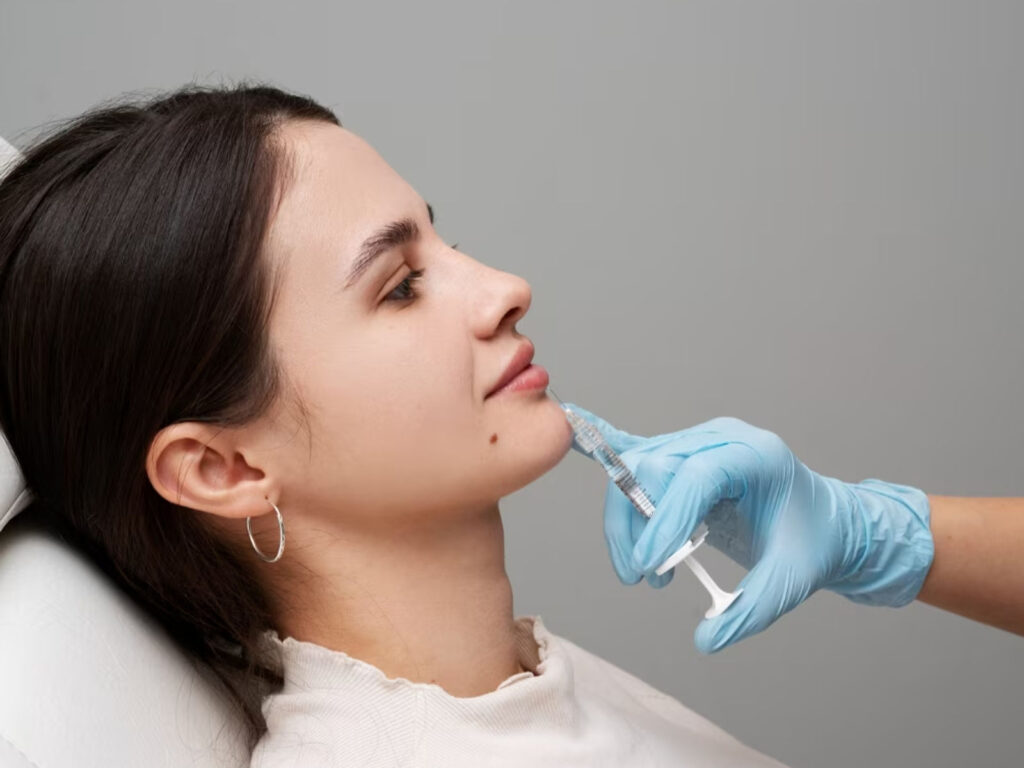
Dermal fillers are gel-like injectable products placed under the skin to replace lost support, improve contour, or soften folds. Many modern fillers are made with hyaluronic acid, a substance naturally found in the skin that helps bind water and support hydration.
The goal is not to change the face beyond recognition. A well-planned filler treatment should improve proportion, restore selected volume, and keep the result balanced with your natural features.
Which areas can fillers treat?
Fillers can be used in several facial areas, but each area needs a different product choice, depth, dose, and technique. The right plan depends on anatomy, age-related volume changes, skin quality, and the result you want.
|
Area |
Common goal |
Important caution |
|---|---|---|
|
Lips |
Shape, hydration, volume |
Avoid overfilling and poor border definition |
|
Chin |
Projection and facial balance |
Needs profile assessment |
|
Cheeks |
Contour and volume support |
Conservative placement matters |
|
Jawline |
Definition |
Not suitable for every face shape |
|
Smile lines |
Softening folds |
Direct fold treatment and cheek support are separate decisions |
|
Tear trough |
Hollowing assessment |
High-risk area, careful selection needed |
For area-specific planning, read more about chin fillers in Dubai and smile line fillers in Dubai.
Dermal filler results: what is realistic?
Some filler results are visible immediately, especially in the lips, chin, cheeks, and jawline. Swelling can make the area look fuller at first, so final judgment is usually better after the filler settles.
-
Initial changes are often seen right away.
-
Swelling and mild bruising can appear in the first few days.
-
Final refinement is commonly assessed after about two to four weeks.
How long fillers last depends on the product, treatment area, dose, metabolism, and lifestyle. Mobile areas such as lips may need maintenance sooner than deeper structural areas such as the chin or cheeks.
Safety and side effects
Dermal fillers are medical injectable treatments with risks even when appropriate products, sterile technique and qualified professionals are involved. Individual assessment and discussion of complications are necessary.
-
Common temporary effects include swelling, redness, tenderness, and bruising.
-
Less common issues include lumps, asymmetry, infection, or filler migration.
-
Rare injection into a blood vessel can cause tissue injury, vision loss or stroke and needs immediate medical attention.
Seek immediate medical attention for unusual or increasing pain, white, grey, blue or mottled skin, vision changes, or sudden weakness or difficulty speaking. Do not wait for a routine clinic reply.
What to avoid before choosing filler in Dubai
-
Avoid choosing treatment only by the cheapest price.
-
Avoid unclear product names, unsealed products, or injectors who cannot explain the filler used.
-
Avoid aggressive same-day treatment across many areas without a careful facial assessment.
-
Avoid filler if you have active infection or inflammation in the treatment area until cleared by a clinician.
Filler cost factors in Dubai
The cost of dermal fillers in Dubai can vary because treatment is planned by area, product, and clinical complexity. A consultation is the most accurate way to understand what is needed.
-
Treatment area and number of areas.
-
Amount of filler required.
-
Product type and the limitations of any removal or dissolving options.
-
Injector experience and follow-up care.
Dermal fillers vs skin boosters
Dermal fillers are usually chosen for shape, volume, support, or contour. Skin boosters are usually chosen for skin hydration, glow, and texture rather than structural change. If your main concern is skin quality rather than facial contour, compare skin booster vs dermal filler before deciding.
Dermal fillers vs Botox
Fillers add or restore volume. Botox relaxes selected muscles that create expression lines. They are different treatments and may be used separately or together depending on the face. For toxin options, see the Botox brand guide.
How Mahan Polyclinic plans filler treatment
-
Facial assessment before choosing the treatment area.
-
Discussion of goals, limits, side effects, and aftercare.
-
Conservative dosing to protect balance and avoid an overfilled look.
-
Follow-up guidance when review or refinement is needed.
FAQ
Are dermal fillers safe?
Filler has risks even with a qualified clinician. The exact product, intended use, medical history and treatment area need assessment. No complication-free outcome is guaranteed.
How long do dermal fillers last?
Many hyaluronic acid fillers last several months to over a year, but this varies by area, product, dose, metabolism, and lifestyle. Lips often fade sooner than deeper structural areas.
What is the best filler for face?
There is no single best filler for every face. The right filler depends on the treatment area, depth, skin thickness, desired result, and whether volume, hydration, or structural support is needed.
How much do fillers cost in Dubai?
Filler cost in Dubai depends on the product, number of syringes, treatment area, clinical complexity, and injector experience. A consultation gives the most accurate estimate for your face and goals.
Can fillers be dissolved?
Many hyaluronic acid fillers can be dissolved with hyaluronidase when clinically appropriate. Dissolving is another medical procedure with risks and limitations; it cannot guarantee reversal of every effect or complication. Other filler types may be difficult or impossible to remove.
Filler should improve facial balance, not change your face beyond recognition. Book a consultation at Mahan Polyclinic for a conservative, doctor-led filler plan.
General safety reference: FDA dermal-filler information (US).