

By Dr. Taj Pour | Co-Founder, Mahan Polyclinic
Last updated: 15 July 2026
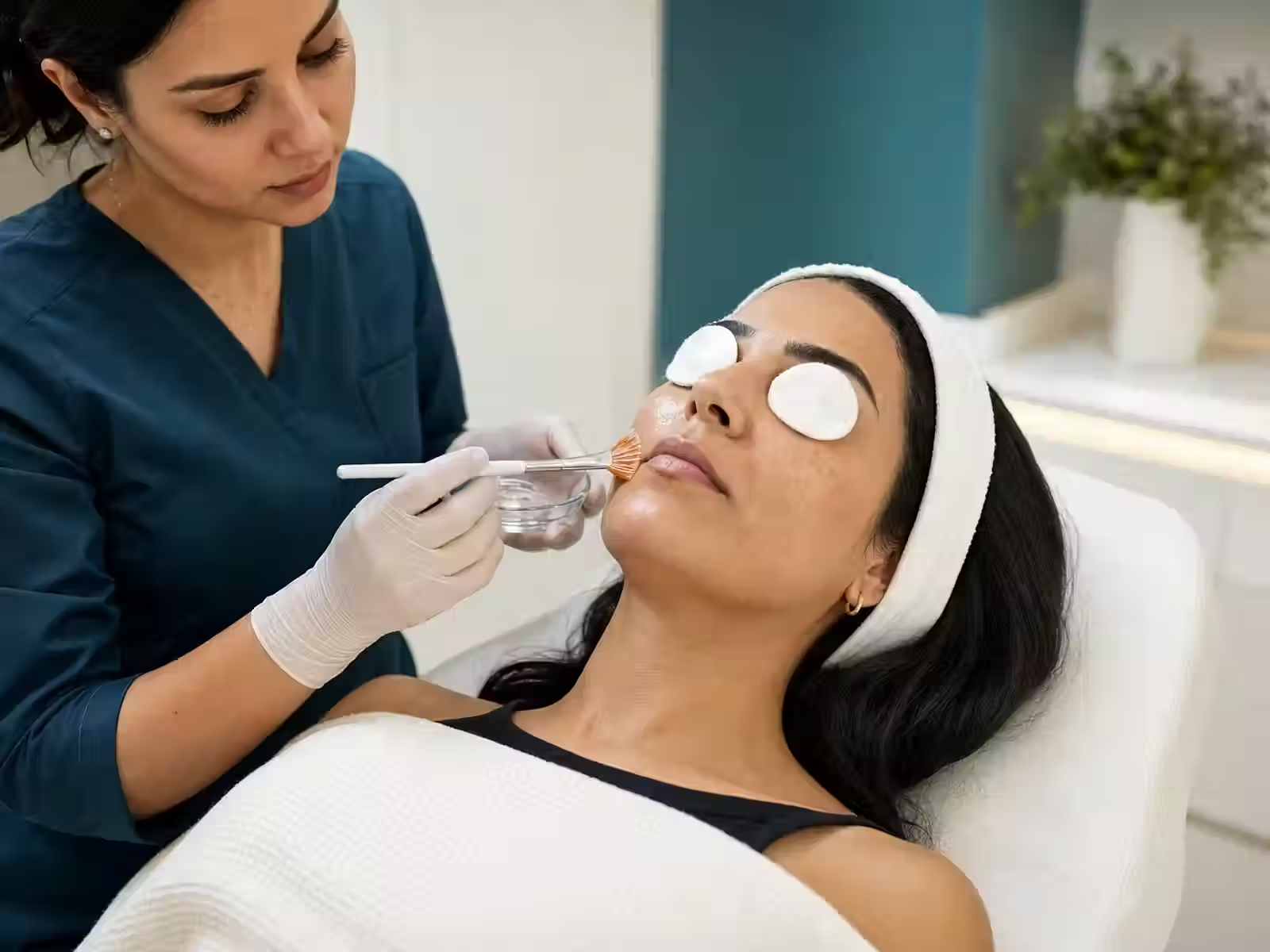
A chemical peel is a controlled skin-resurfacing treatment. A clinician applies a carefully selected solution for a specific time so damaged surface cells shed and newer-looking skin becomes visible as healing progresses. The word “peel” covers a wide range of treatments, from light lunchtime exfoliation to deeper medical procedures with meaningful downtime.
For patients considering a chemical peel in Dubai, the most important question is not “Which acid is strongest?” It is “Which depth and formula suit my skin, concern, medical history and recovery window?” Dubai’s intense ultraviolet exposure also makes preparation and sun protection especially important.
This guide explains what chemical peels can and cannot do, how superficial, medium and deep peels differ, what recovery may look like, and why skin-tone assessment matters. It is general education, not a diagnosis or personal treatment plan.
What can a chemical peel help improve?
Depending on the peel type and the person’s skin, clinician-led peels may be considered for:
A peel cannot correct every concern. Deep acne scars, significant skin laxity, active skin disease and some forms of pigmentation may require a different approach or a combination plan. An accurate diagnosis matters because treating the wrong cause of pigmentation can make it worse.
The American Academy of Dermatology notes that dermatologists use chemical peels for concerns including some acne and discoloration. It also stresses that results depend heavily on the skill of the person performing the treatment. The safest plan starts with a consultation, not with choosing an acid from a menu.
Superficial vs medium vs deep chemical peels
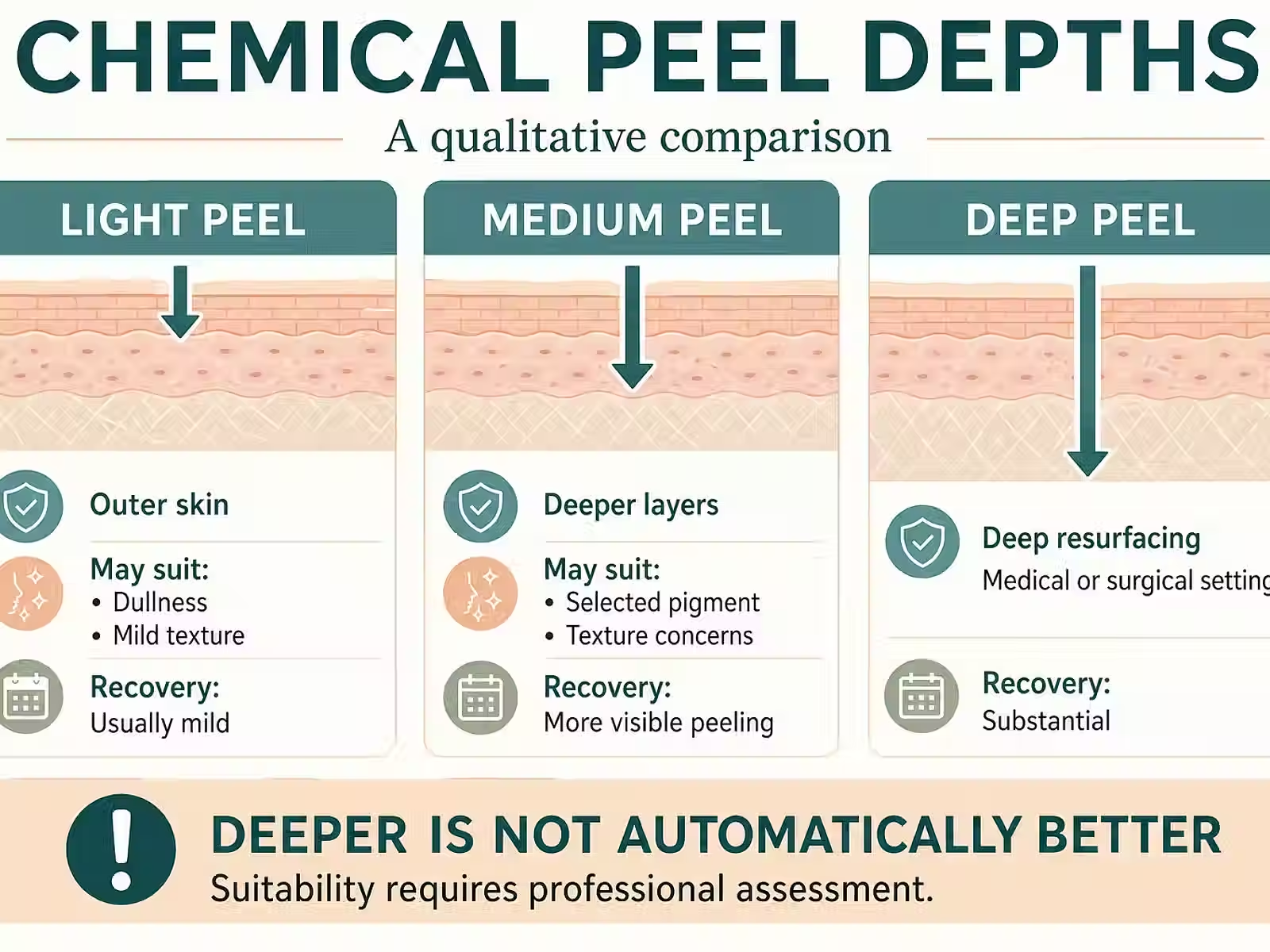
Chemical peels are usually described by how deeply they act, not simply by the ingredient name. Concentration, pH, number of layers, contact time, skin preparation and the clinician’s technique all influence the effective depth.
Superficial peels
Superficial or light peels act mainly on the outermost skin layer. Formulas may use ingredients such as glycolic, lactic, mandelic or salicylic acid, depending on the concern and skin profile.
They are often chosen for gradual improvement in brightness, mild congestion, roughness or uneven-looking tone. Patients may notice temporary tightness, dryness, redness or fine flaking. Some people barely peel visibly; that does not automatically mean the treatment failed. A course of light peels may be recommended instead of one aggressive session.
Medium-depth peels
Medium peels reach further into the skin and can create more noticeable renewal, but they also carry more downtime and a greater risk of complications. Trichloroacetic acid, often called TCA, may be used in professionally selected formulas.
Redness, swelling, darkening before peeling, crusting and several days of visible shedding may occur. Recovery varies with the formula and individual response. Patients need a clear aftercare plan and should not schedule a medium peel immediately before a wedding, flight, beach trip or important event.
Deep peels
Deep chemical peels are medical procedures with substantial recovery and are not routine “facials.” They can require anesthesia, close monitoring and a surgical setting. They are not suitable for everyone and are generally not the first choice for darker skin tones because pigmentary risk can be significant.
This qualitative chart compares peel depth; suitability requires professional assessment.
Which peel is best for your skin?
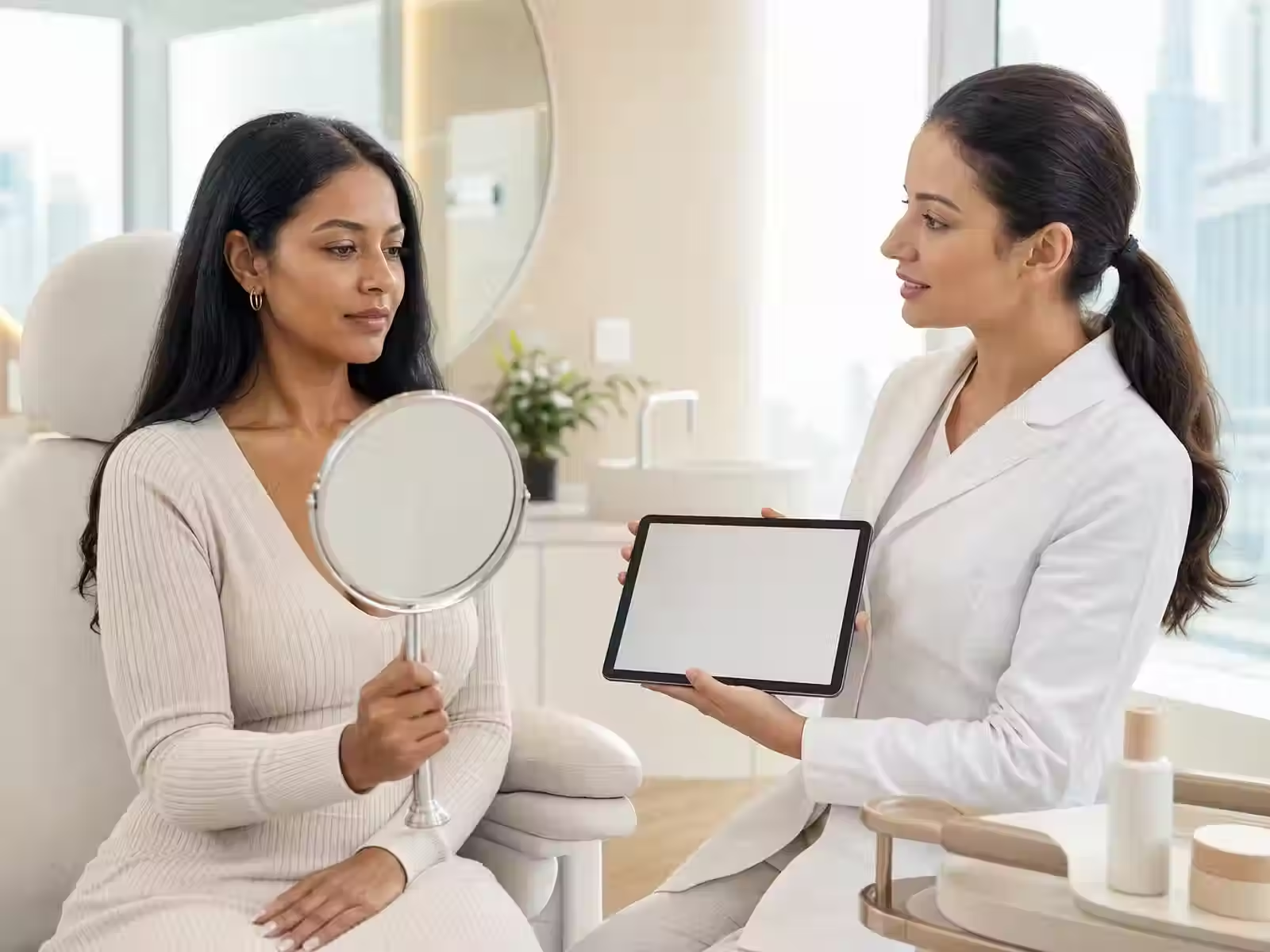
There is no universal best chemical peel. A clinician should consider:
People with deeper skin tones can have chemical peels, but the formula, depth and preparation need particular care. The AAD advises choosing a dermatologist experienced with the patient’s skin coloring because incorrect treatment can lead to lasting pigment problems.
At Mahan Polyclinic, consultation-led planning is central to choosing among aesthetic treatments. You can also review the clinic’s approach to safe, personalized care in our guide to choosing an aesthetic clinic in Dubai.
What happens during a professional chemical peel?
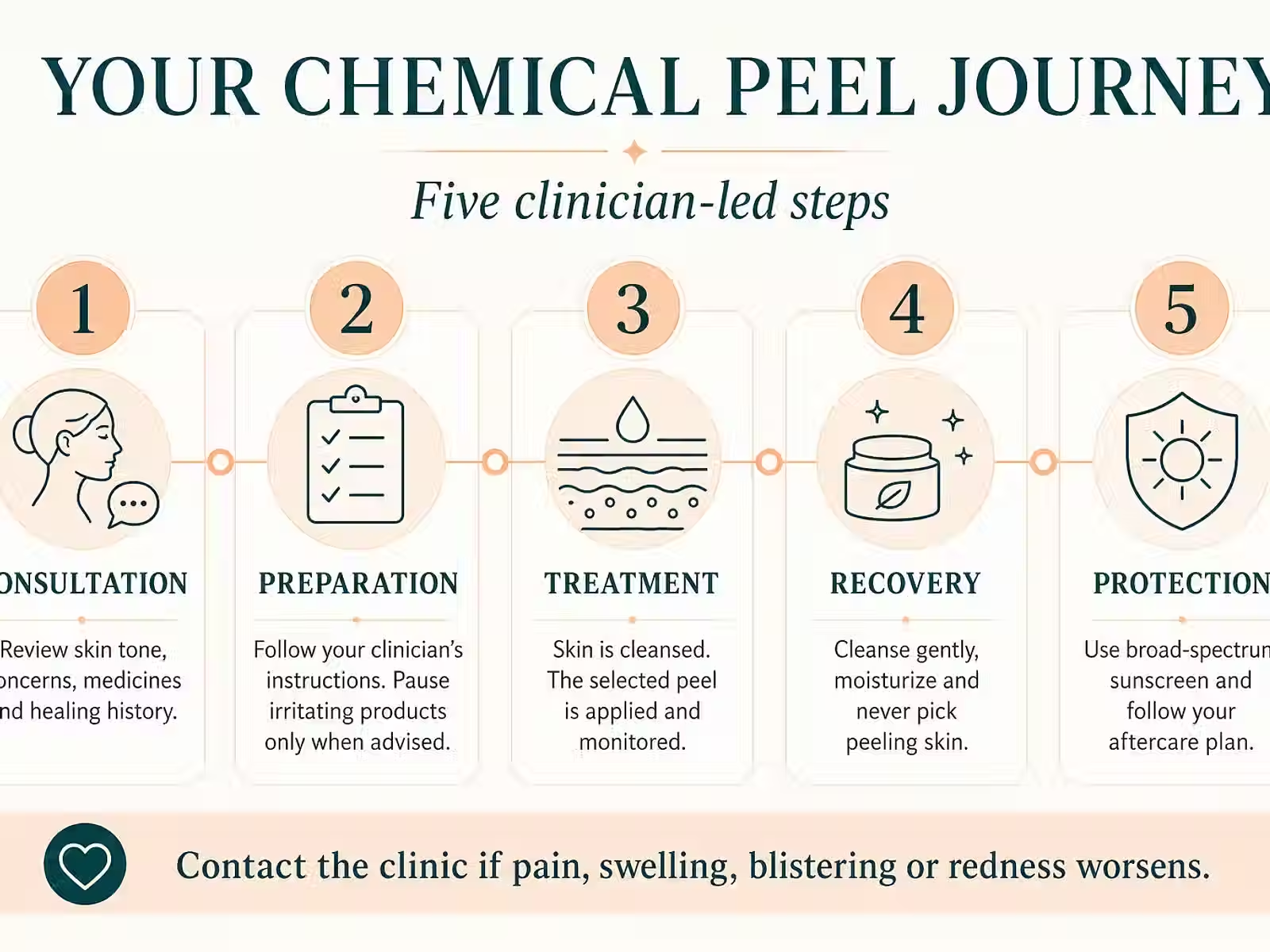
The exact steps depend on the formula and depth, but a typical appointment may include:
This infographic summarizes the individualized consultation-to-aftercare journey.
Do not copy an in-clinic protocol at home. In 2024, the US Food and Drug Administration warned consumers against using high-concentration chemical peel products without professional supervision because serious burns, infection, color changes and scars can occur.
Chemical peel recovery: what to expect
Recovery is linked to depth. After a light peel, the skin may feel dry or tight and develop mild redness or flaking over several days. A medium peel can involve more obvious redness, swelling, darkening, crusting and peeling. Deep peels require a much longer, medically supervised recovery.
General aftercare often includes:
Dubai sun matters. Newly treated skin can be more vulnerable to discoloration, so daily sun protection is part of the treatment—not an optional extra. If you have a beach holiday or prolonged outdoor event planned, tell your clinician before booking.
Our general aesthetic-treatment aftercare guide offers more background, but your personalized peel instructions should always take priority.
Results: when will your skin look better?
A superficial peel may produce a fresher, smoother-looking surface once initial dryness or flaking settles. Results are usually gradual and may be built through a course of treatments. Medium peels can create more visible change after healing, but the recovery window is longer.
Results vary with the diagnosed condition, peel depth, baseline skin, aftercare and sun exposure. A peel does not permanently stop acne, pigmentation or aging. Maintenance skincare and appropriately spaced follow-up treatments may be recommended.
Be cautious with guaranteed timelines or claims that one peel will remove all scars or pigmentation. Good aesthetic care sets realistic expectations and explains both likely benefits and limitations.
Chemical peel or another facial treatment?
A chemical peel is not interchangeable with every skin treatment. The right choice depends on the problem you want to solve.
For more context on how treatment goals differ, read our HydraFacial vs mesotherapy comparison. These options are not ranked from weak to strong; they work differently. A consultation can prevent spending money on a popular treatment that does not match the underlying concern.
Who should postpone or avoid a peel?
A clinician may postpone treatment when the skin is sunburned, irritated, infected or actively inflamed. Certain medicines, recent procedures, a tendency toward abnormal scarring, poorly controlled medical conditions or inability to follow sun-avoidance and aftercare instructions can change the plan.
Tell the clinician about all prescription medicines, skincare products, supplements, allergies and previous reactions. Also mention a history of cold sores. Never stop a prescribed medicine solely to prepare for a cosmetic procedure unless the prescribing clinician advises it.
How to choose a chemical peel clinic in Dubai
Look beyond promotional before-and-after images. Ask:
You can learn more about Mahan Polyclinic’s medical team, view the clinic’s treatment gallery, or contact the Business Bay clinic with questions before booking.
Frequently asked questions
Is a chemical peel painful?
Light peels may cause tingling, warmth or stinging. Stronger treatments can be more uncomfortable and may require pain control or anesthesia depending on depth. Tell the clinician immediately if discomfort feels severe or unexpected.
Will my skin visibly peel?
Not always. A superficial peel may cause only dryness or fine flaking. Visible peeling is not the sole measure of effectiveness, and forcing the skin to peel can cause injury.
Are chemical peels suitable for darker skin?
They can be, but the plan must account for a higher risk of post-inflammatory pigment change. Choose a qualified clinician experienced with your skin tone and avoid an aggressive one-size-fits-all approach.
How many sessions will I need?
That depends on the concern, peel depth and response. Light peels are often planned as a course, while deeper treatments are performed less frequently. Your clinician should reassess before repeating treatment.
Can I do a chemical peel before an event?
Allow more recovery time than the advertised minimum, especially for a first peel. Do not schedule a medium or deep peel immediately before an important event, travel or heavy sun exposure.
Can I use a strong chemical peel at home?
High-strength home peels can cause serious chemical burns, infection, pigment changes and scars. The FDA recommends professional supervision for chemical peel products. If you want stronger exfoliation than your home routine provides, arrange a clinical assessment instead.
Book a chemical peel consultation in Business Bay
The safest chemical peel is the one chosen after your skin—not a trend—is assessed. Mahan Polyclinic is located in DAMAC XL Tower, Business Bay, Dubai. During a consultation, the team can examine your concern, discuss suitable options, explain downtime and decide whether a peel or another treatment is the better match.
Book an appointment online or contact Mahan Polyclinic to start with a personalized skin assessment.
Medical note: This article is for general education and does not replace an in-person consultation, diagnosis or individualized medical advice.